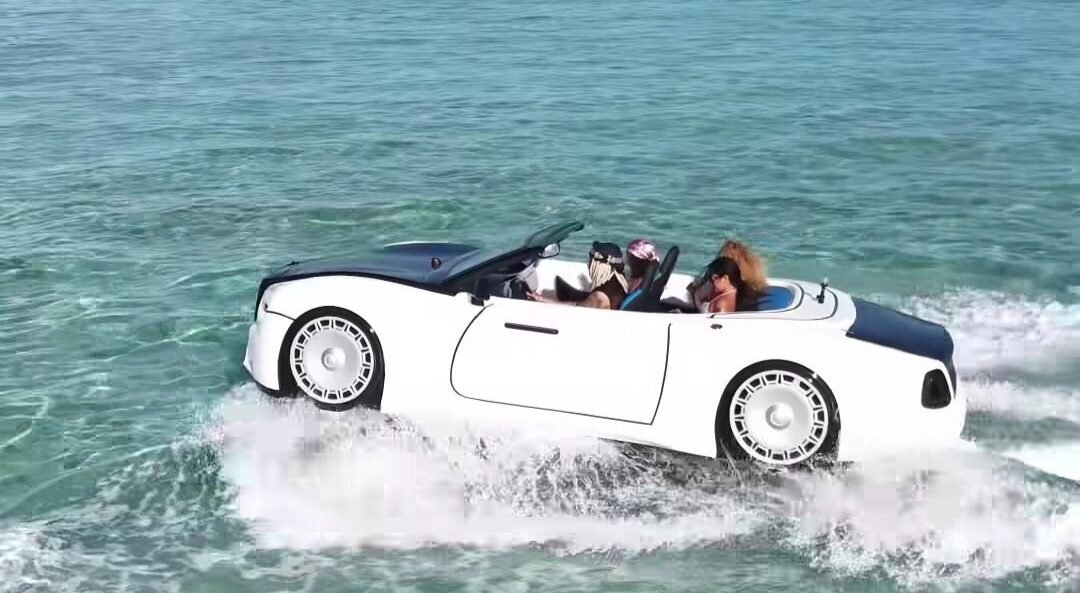
Get ready for an unforgettable time with the Water Boat Car, a truly innovative form of vehicle! This incredible creation seamlessly blends the fun of a car with the freedom of a boat, allowing you to discover both land and water with ease. Imagine cruising across a river one minute, and then rolling down a road the next! The Water Boat Car offers a new perspective on outdoor activities and promises hours of amusement for the whole family. It’s the ideal solution to join your interest for both cars and the water!
Revolutionizing Aquatic Travel
The emergence of jet cars is poised to fundamentally shift the landscape of aquatic mobility . These innovative machines, utilizing hydrodynamic drive, promise a fresh approach for navigating waterways. Forget typical watercraft; jet cars provide a quicker and potentially more efficient alternative for individual journey across bodies of water, heralding a true revolution in how we view water-based transportation .
Investigating Water Car Engineering
The developing area of water jet car engineering presents a captivating view into the future of mobility. Scientists are constantly working systems that harness powerful liquid jets for thrust, enabling these specialized devices to float across bodies of seas. Recent breakthroughs focus on refining efficiency , lowering environmental footprint , and expanding the usability of this exciting idea .
The Future of Water Travel: Jet Car Design Trends
The evolving landscape of water travel is seeing substantial shifts, particularly concerning jet car design. We're noticing a move away from conventional bulky designs toward sleek and eco-friendly alternatives. Several key developments are dictating the future of these powerful vessels. These include:
- Hydrodynamic Optimization: Specialists are continually focusing on reducing drag and enhancing hydrodynamic efficiency through sophisticated hull forms. Expect to see more nature-inspired designs – mimicking marine life for excellent movement.
- Electric Propulsion: The increasing concern for planetary impact is fueling a rapid adoption of electric drives. This leads to low-noise operation and reduced emissions.
- Lightweight Materials: Carbon fiber are becoming conventional metals, causing in lighter and more resource-conservative jet cars.
- Modular Design: Adaptability is key. We're likely to encounter more modular configurations allowing for modification and simple component substitution.
The general aim is to develop jet cars that are not only dynamic to operate but also responsible for the world. This suggests a promising horizon for water travel.
Meet the Thrust Vehicle Manufacturers Revolutionizing the Field
Several pioneering firms are currently driving the charge in jet vehicle technology. Among these, Bloodhound LSR features for its legendary achievements, while newcomers like Electric Jet are pushing boundaries with electric propulsion systems. Also, companies focused on smaller scale and personal applications, such as Jet Industries , are steadily appearing the marketplace , hinting at a future where jet-powered commuting becomes more accessible .
Selecting a Aquatic Vehicle vs. Turbo Car : Which is Ideal for Your Needs ?
So, you want to get a powerful vehicle , but are between a traditional water boat and a modern jet car ? Both provide a special ride on the surface, but they cater to different tastes . Water boats are typically generally stable , making them ideal for beginners or families seeking a peaceful trip . They can handle rougher waves more . Conversely , jet machines perform at high paces, offering an intense performance . However , they demand greater skill to control effectively and may be less forgiving in rough situations. Finally , the right option depends on your spending limit, expertise proficiency , and planned use .
- Think about your finances .
- Assess your experience level .
- Weigh the benefits and disadvantages of each kind .
Extreme Adrenaline : A Thorough Investigation into Turbo Automobile Execution
The amazing world of jet vehicle capability offers a remarkable experience, pushing the boundaries of pace and technology. These potent machines aren’t your typical vehicles; they utilize turbo propulsion, delivering astonishing acceleration and maximum speeds often exceeding 300 miles per hour. A complex interplay of aerodynamics, engine design, and construction science allows these creations to achieve such phenomenal feats, demanding expert control and a specialized environment for safe testing.
Luxury on Water: The Rise of the Water Boat Car
The burgeoning phenomenon of water boat cars, also known as Sports Car on Water hydrofoils that integrate automobile aesthetics with aquatic capabilities, is steadily attracting popularity. These unique machines offer a high-end journey, allowing owners to seamlessly transition from pavement to sea. The increasing demand reflects a desire for personalized transportation alternatives, catering to a high-net-worth clientele seeking the highest in individual luxury.
An Exclusive Look Inside a Jet Car Designer’s Workshop
Few enthusiasts ever get access to the inner world of a jet car builder , and we’re excited to offer an unprecedented look. Within the facility, experienced craftspeople meticulously fabricate these astounding machines. You’ll witness firsthand the sophisticated process, from the initial design phases to the final testing. Highlights include:
- A cutting-edge engine assembly area
- The meticulously arranged parts inventory
- An dedicated space for frame work
- Examples of some groundbreaking construction methods
It’s an truly remarkable experience that reveals the artistry and accuracy necessary to create these exceptional vehicles .
Water Jet Car Safety: Concerns and Best Practices
The emerging technology of water jet propelled cars raises unique challenges regarding security. Major concerns focus around the probable for breakdowns in the water system, leading to sudden movement or total loss of control. In addition, the impact of the jet itself creates a risk to people and nearby objects. Best methods include strict system evaluation, comprehensive driver education on emergency procedures, the use of backup systems to reduce failures, and clearly defined operational locations with appropriate barriers.
The Environmental Impact of Hydro Craft and Hydro Craft
Rising prevalent forms of leisure, water craft and hydro cars, present considerable difficulties regarding their ecological footprint. The vehicles, powered by robust engines, often discharge damaging emissions into the atmosphere, contributing to global pollution. Furthermore, the wake generated by these machines can lead to disturbance to coastal areas and harm aquatic environments. Actions are needed to promote more solutions and thoughtful operating methods to minimize their overall environmental damage.
Water Vessel Craft & Propulsion Machine: A Enthusiast's Guide
These unique boats – often called water cars or jet cars – represent a remarkable niche in the hobbyist's world. Originally designed for marine travel, these groundbreaking vehicles combine the principles of automotive and maritime engineering. Finding a original example can be difficult, requiring detailed research into their background and technical specifics. Values differ significantly depending on condition, rarity, and history, making it a niche area for serious collectors.